
WHAT DOES FRIENDSHIP LOOK LIKE IN PRESCHOOL?
THE REALITY OF SOCIAL DEVELOPMENT IN THE EARLY YEARS
"I don't have any friends... I didn’t play with anyone today... He told me I’m not his friend... She said she didn’t want to play with me..."
Hearing any of the above from your preschooler is enough to send your heart into a backflip. As parents, we naturally want our children to be happy, have friends, and feel like they belong—especially at school, when we aren’t there to observe what’s happening.
Here’s the good news: even if they’ve uttered these alarming sentences, it’s likely that our preschoolers are actually having wonderful social experiences at school.
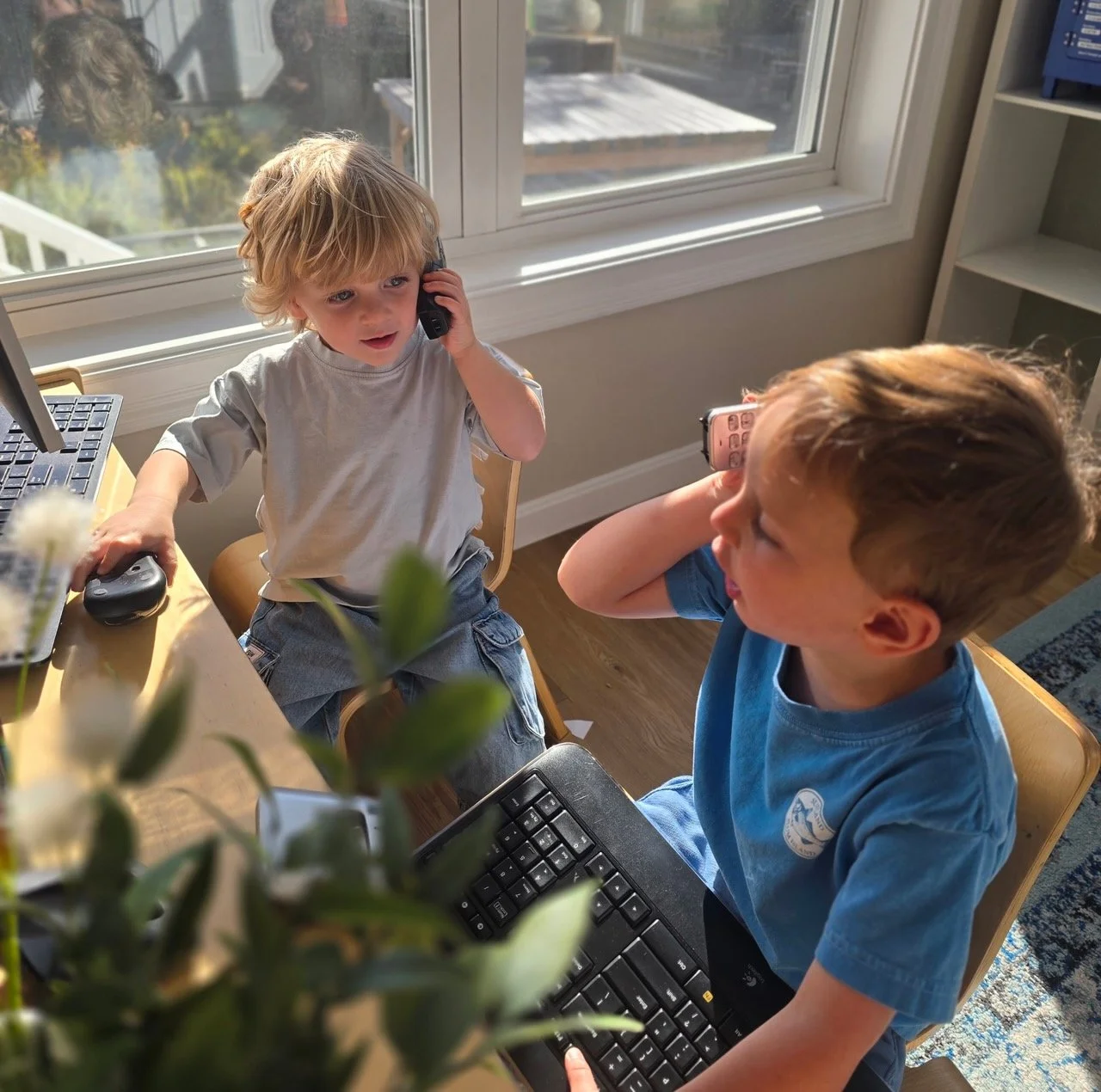
For one thing, they may not yet be able to accurately identify friendship. Beyond that, preschool friendships are extremely fluid. A favorite playmate one day may choose a different activity or companion the next. Children may play joyfully together in the morning and disagree about being friends by lunchtime. These changing dynamics are a natural part of early childhood.
Preschool friendships don’t typically develop on a predictable timeline, and—even when a connection is solid—they may not look like children happily playing together.
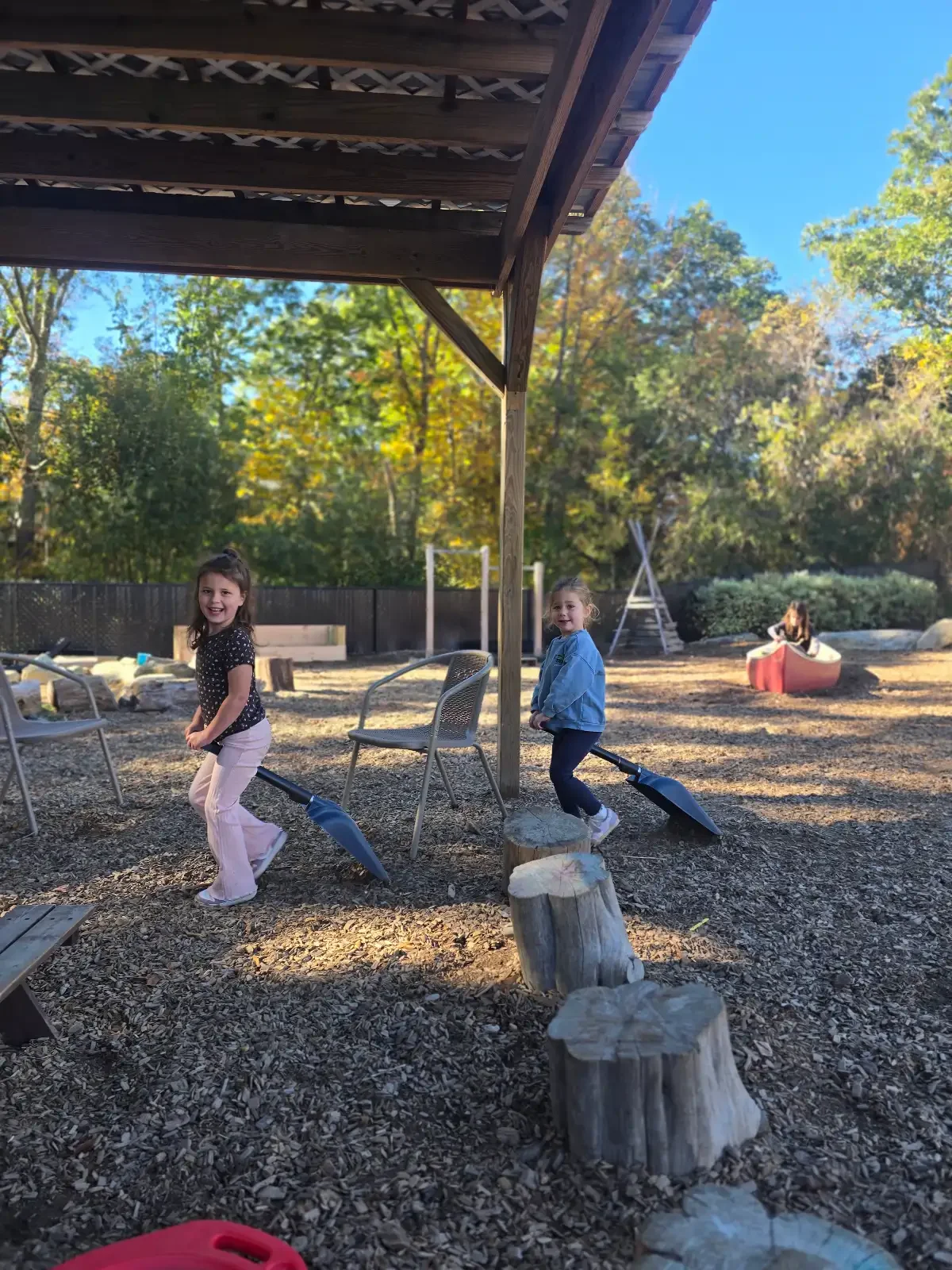
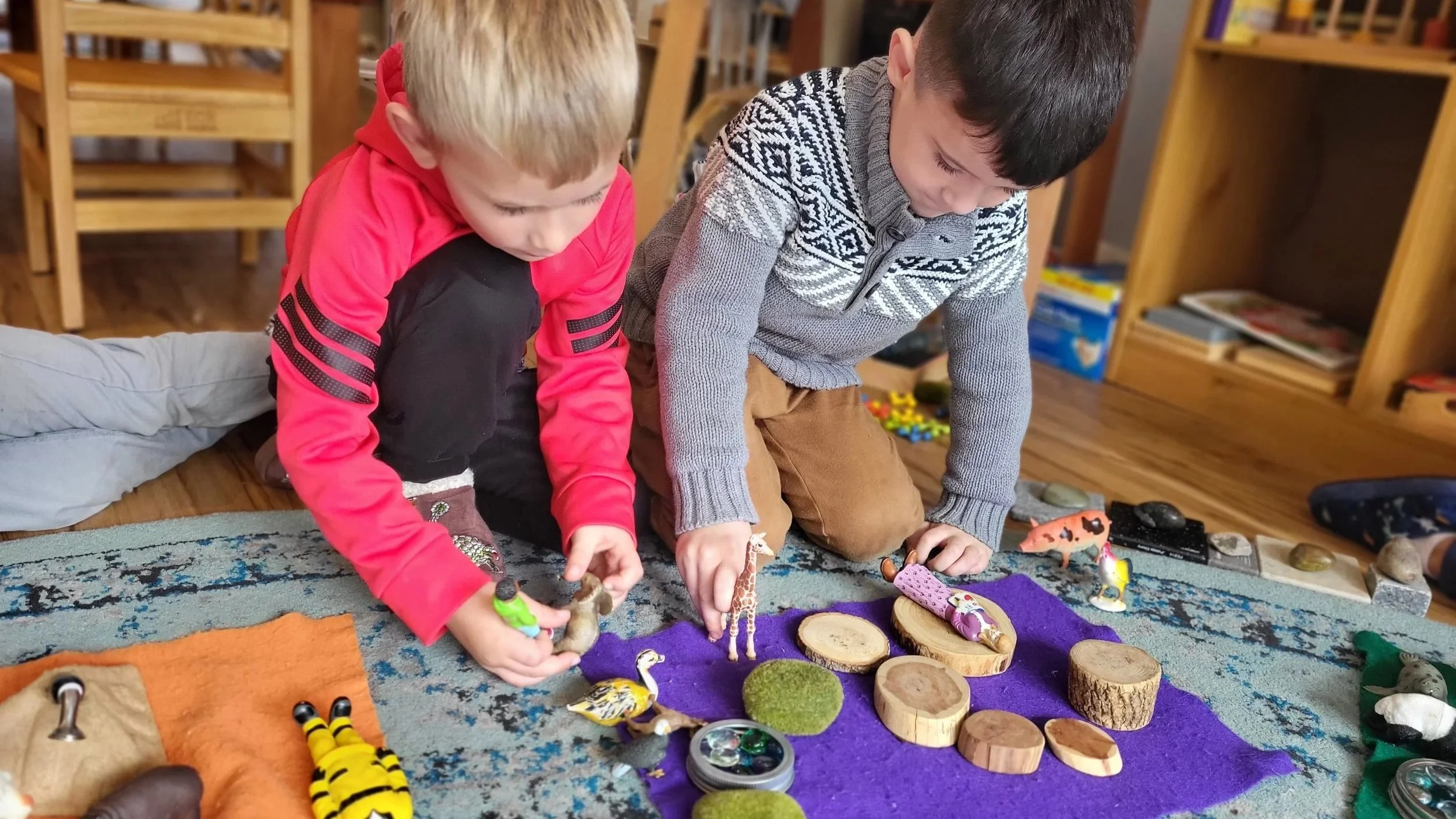
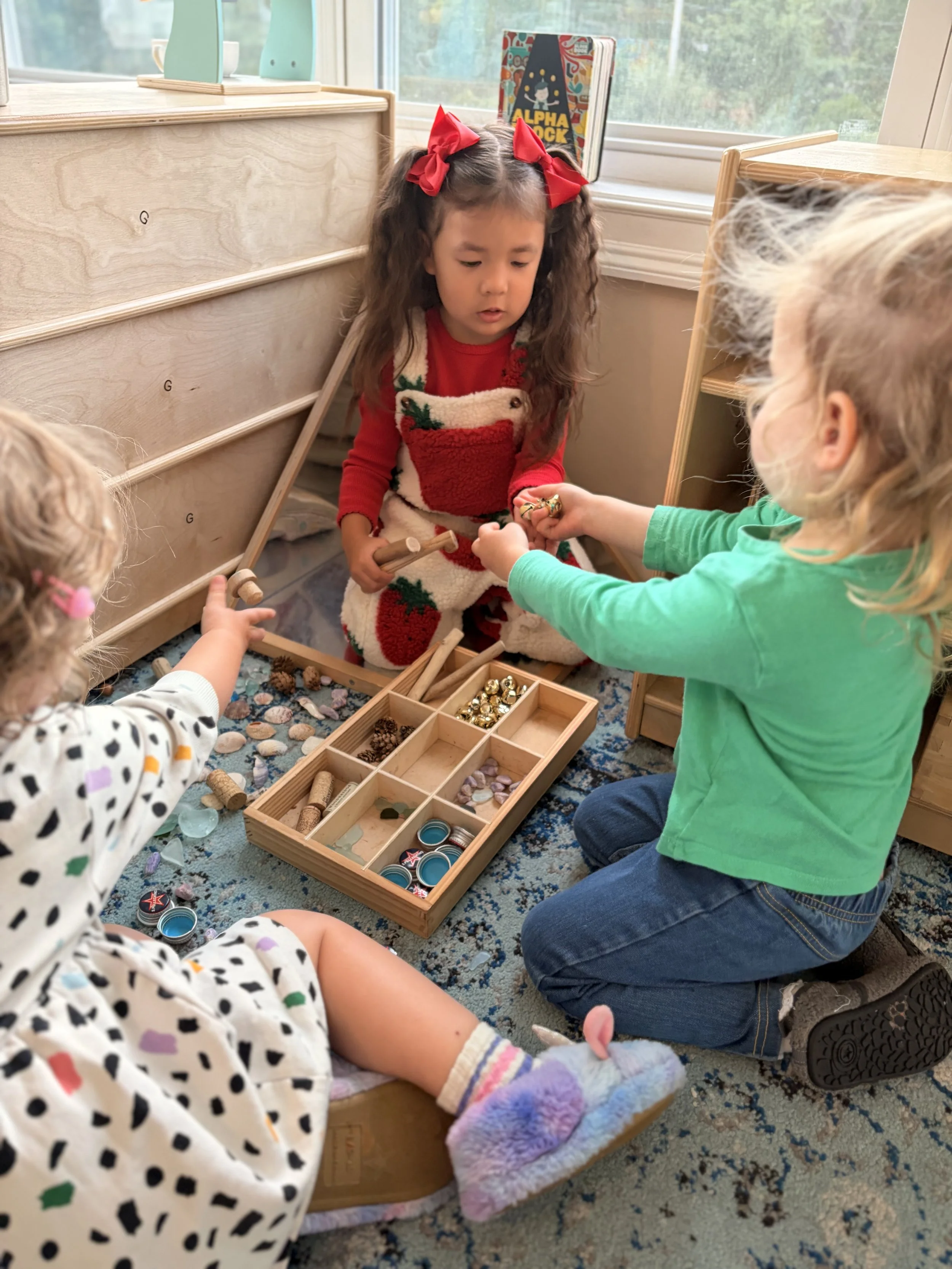
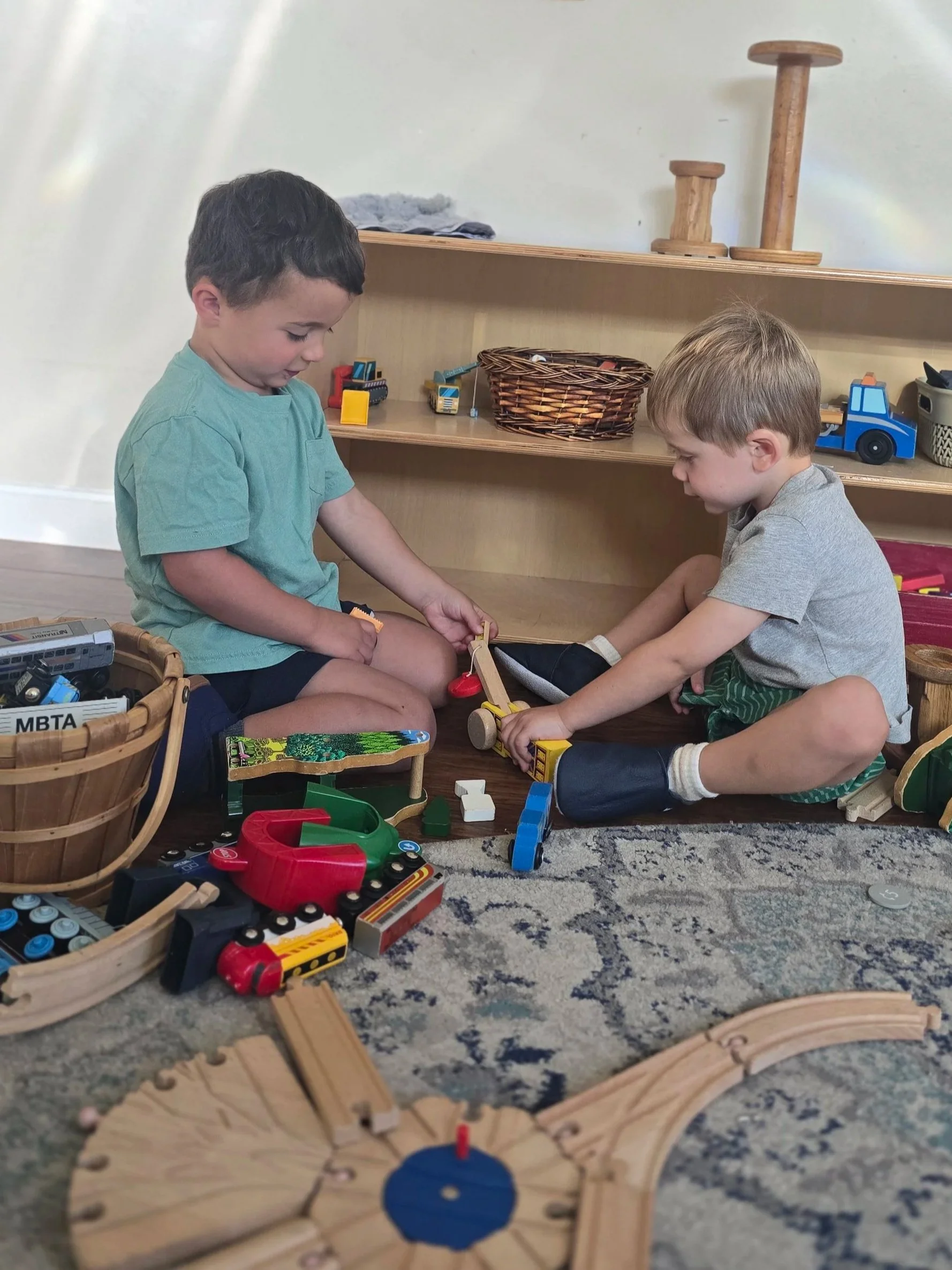
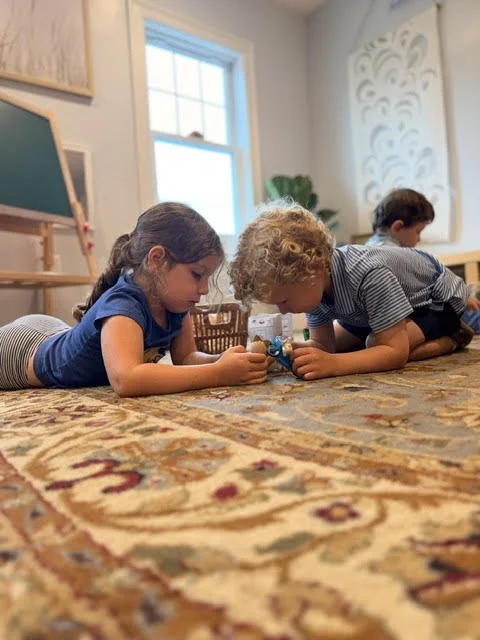
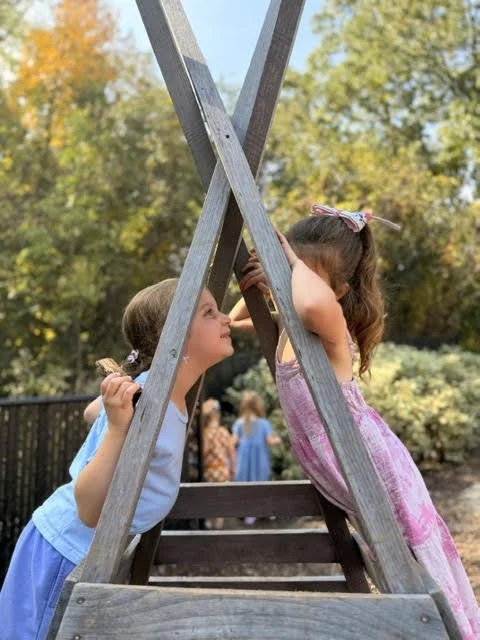
Instead, we might see kids independently playing side by side, negotiating over play materials, navigating what to do when one friend wants to do something different, or one child quietly sitting on the sidelines, watching others play.
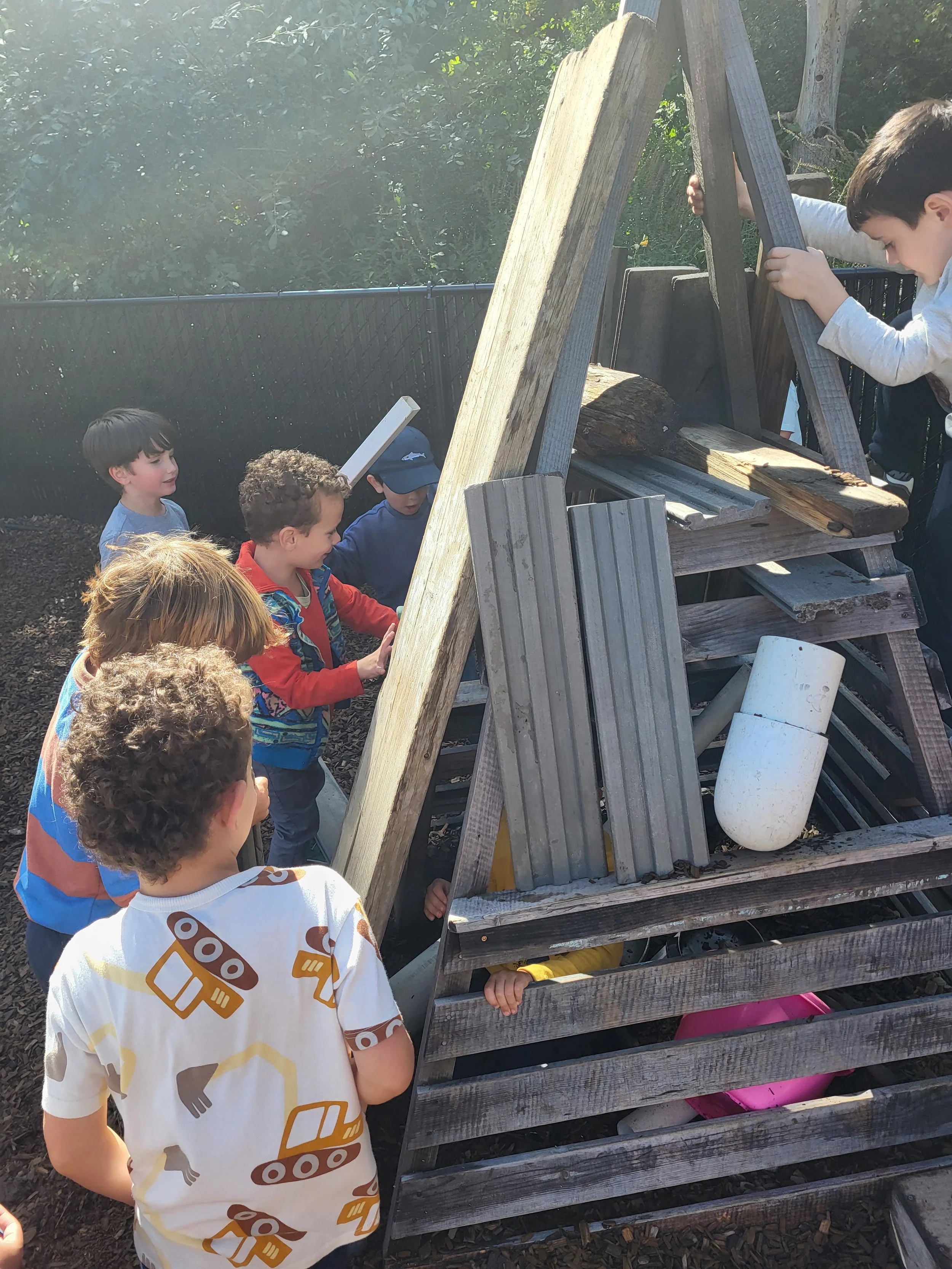
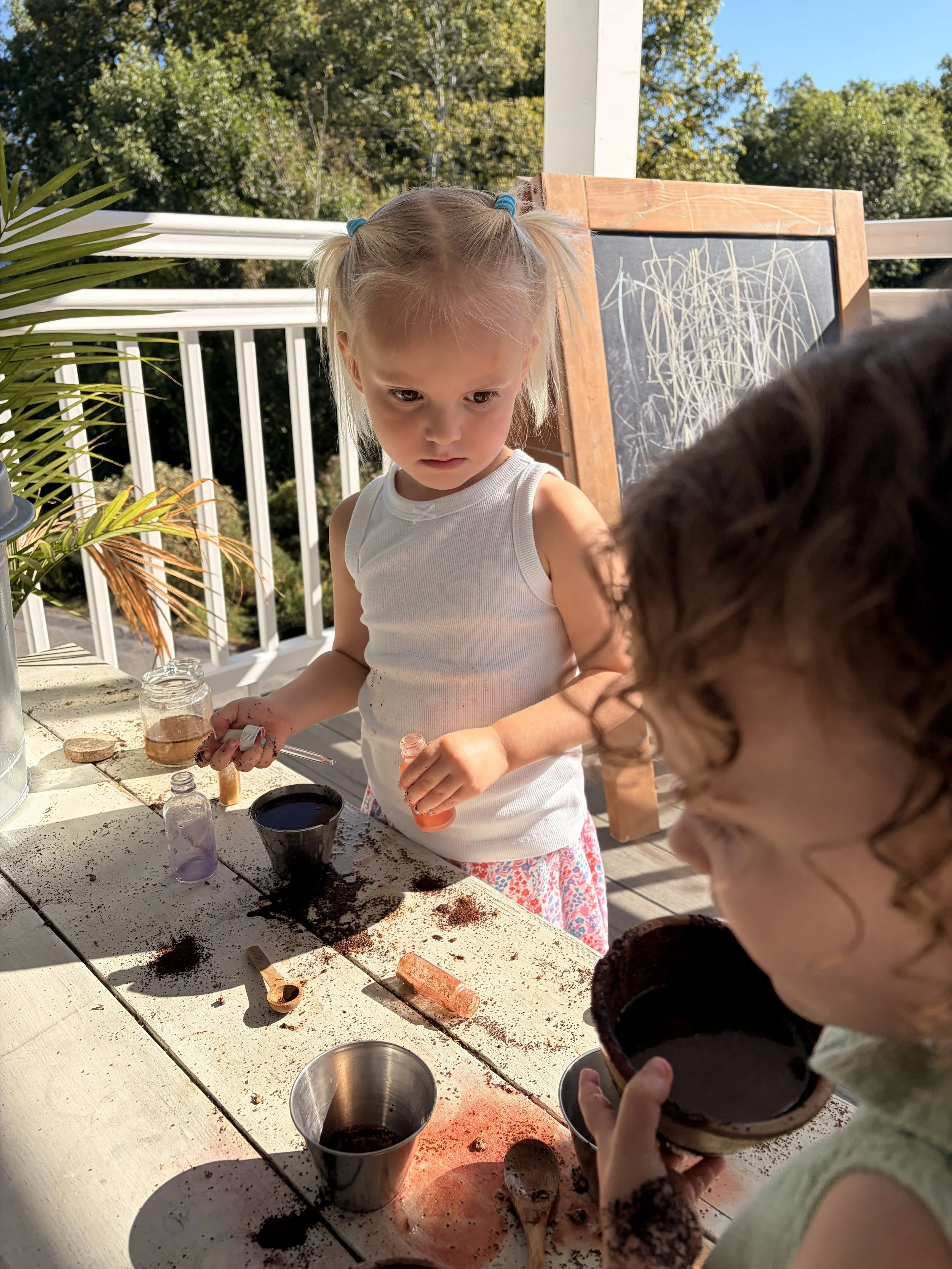
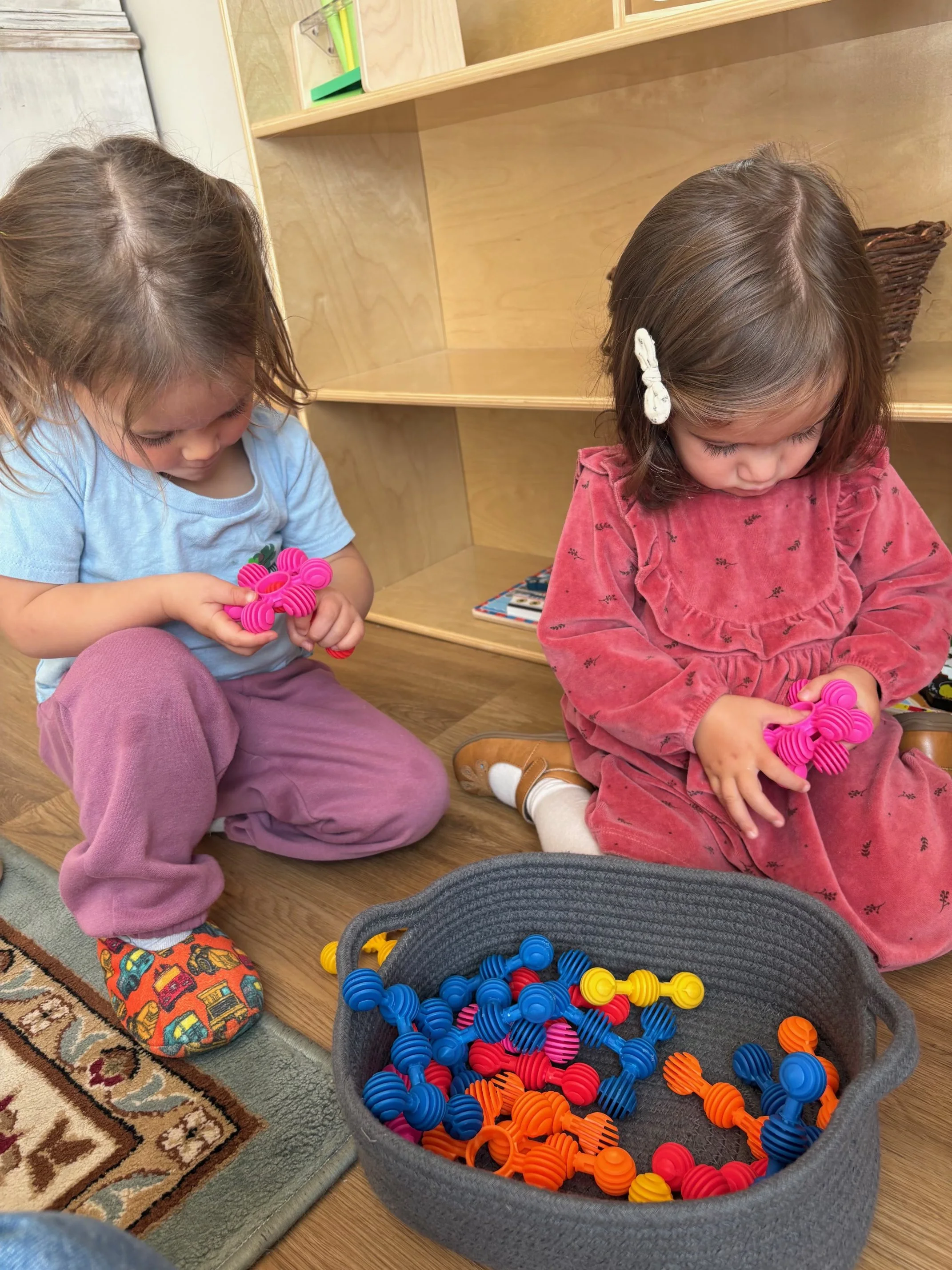
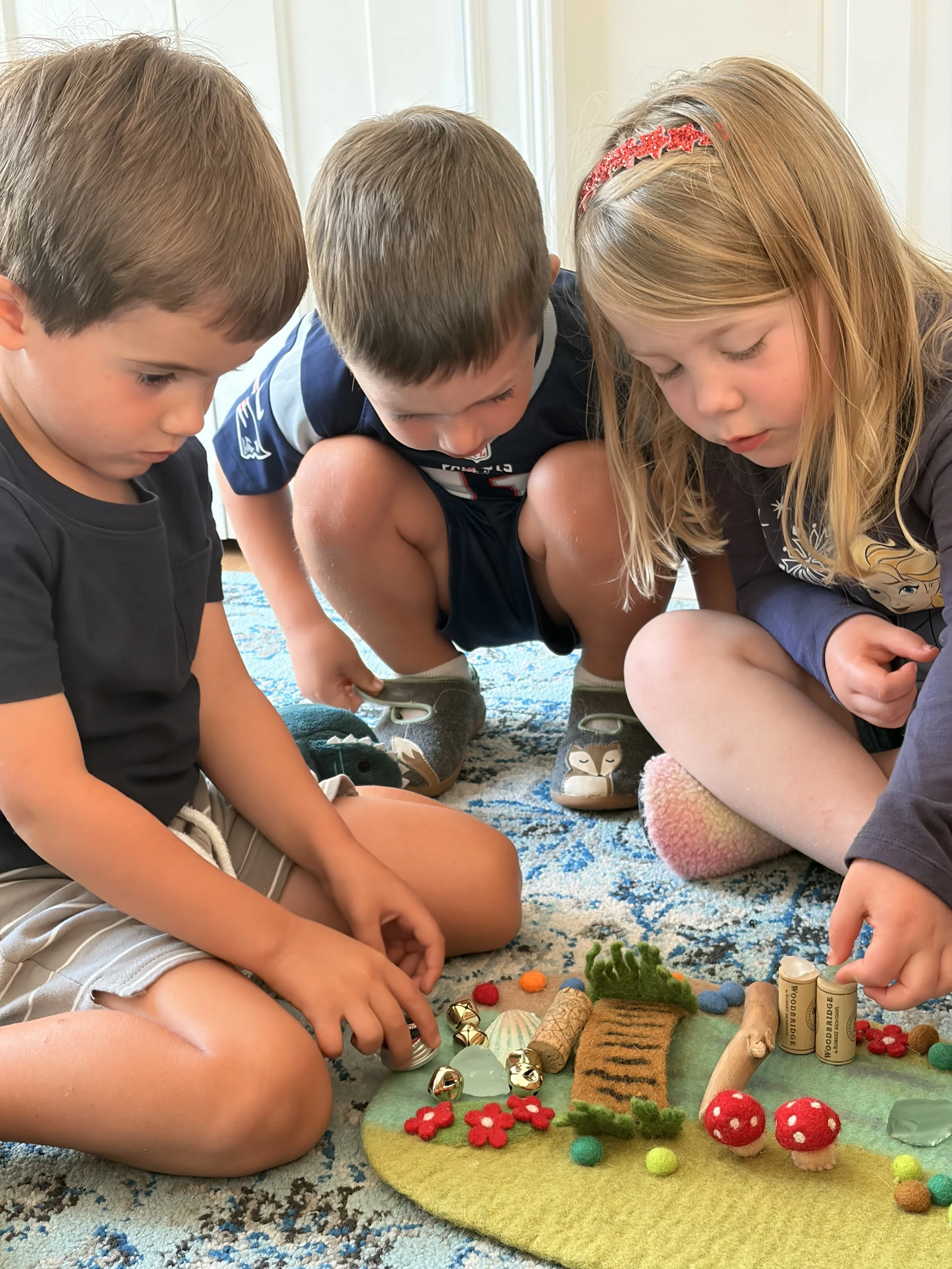
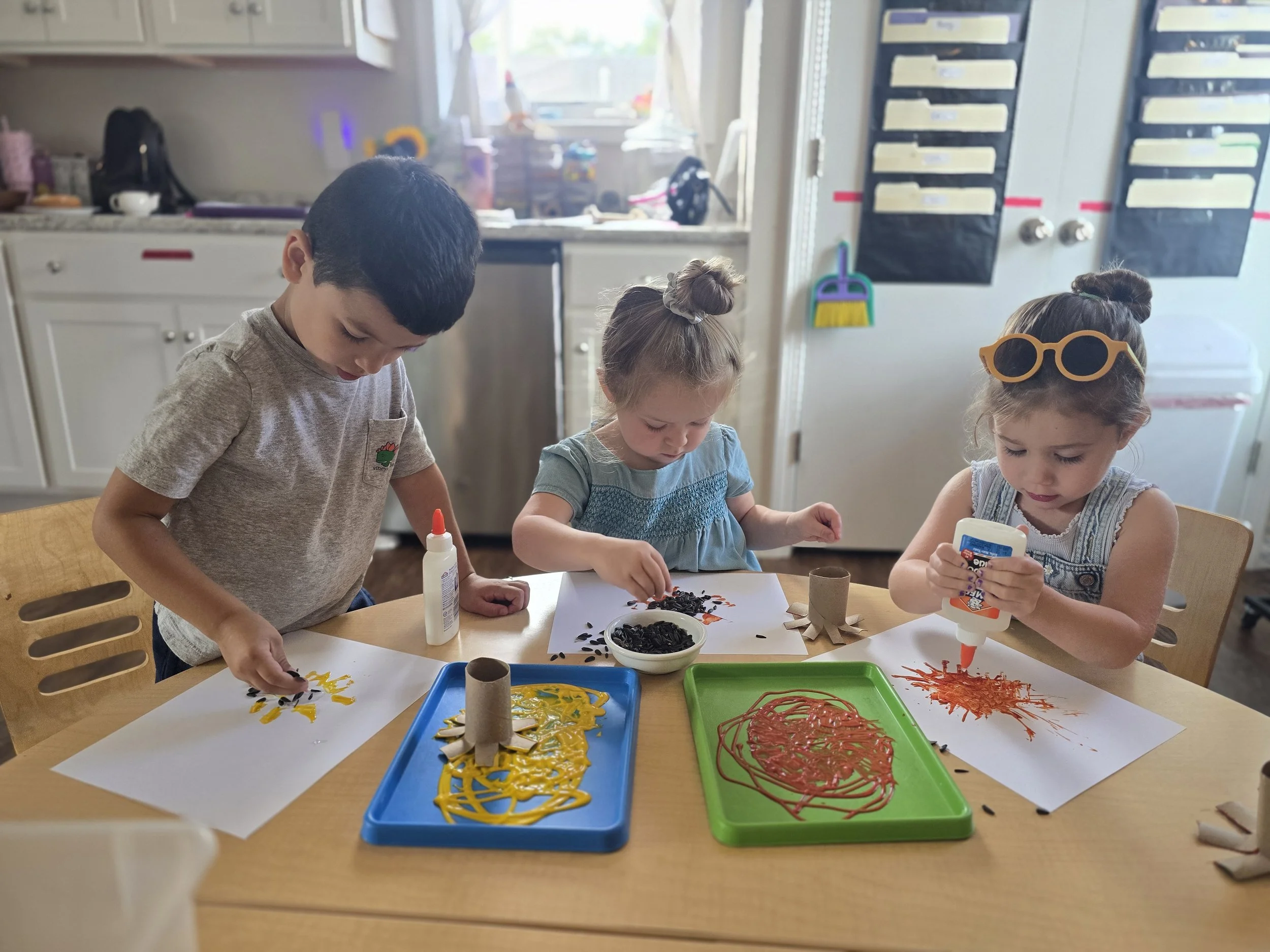
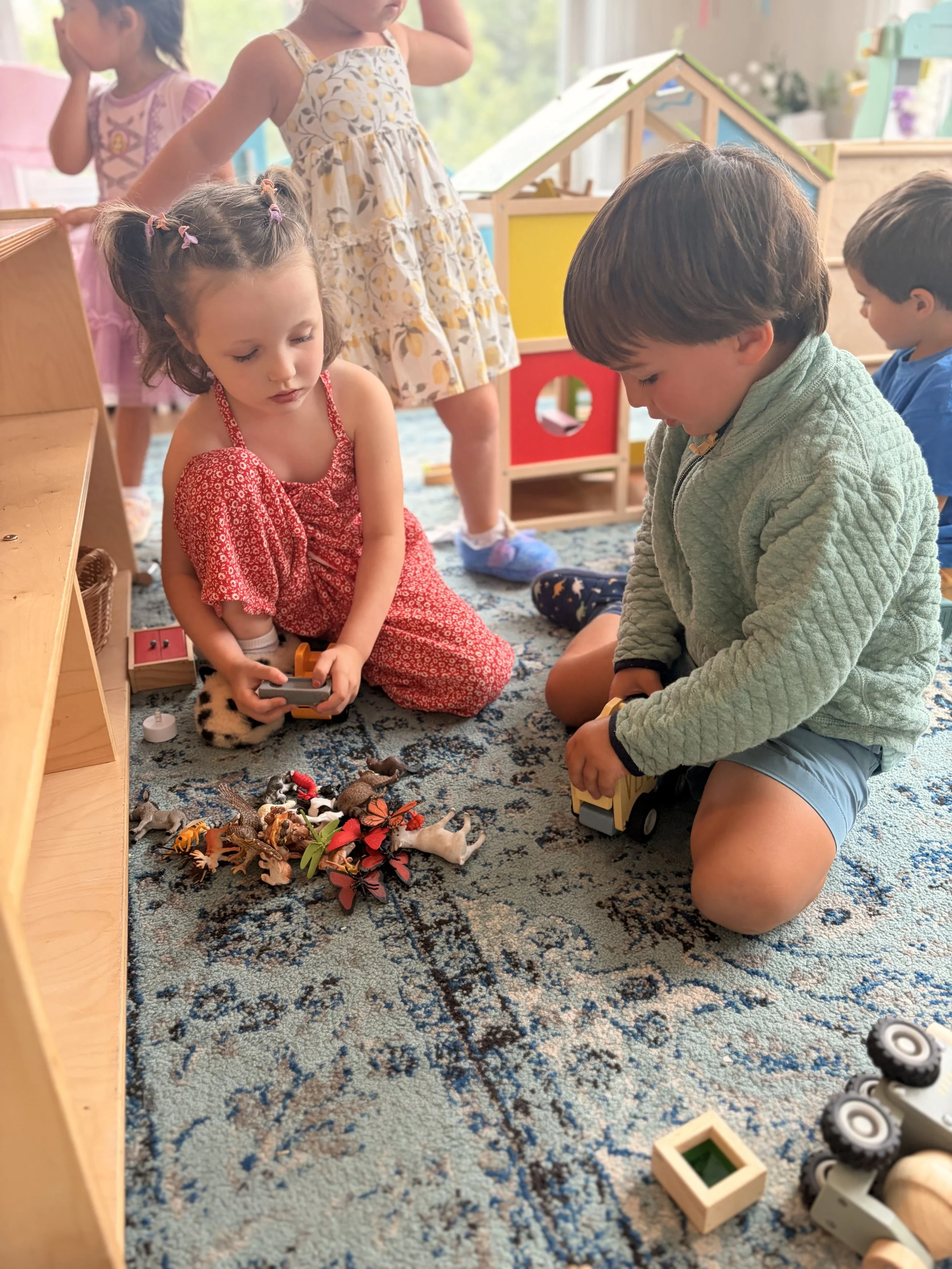
Whatever it looks like, at Harmony, we recognize our role is to support these budding connections without forcing friendships or rushing each child’s natural, developmental socialization process. But what does that process look like? When and how does it emerge? And how do we know when to step in? Like other early years learning, the journey is rooted in play…
THE NATURAL EVOLUTION OF PLAY & FRIENDSHIP
Through play, young children develop language, creativity, problem-solving skills, emotional awareness, and an understanding of others.
Play teaches kids how to express their ideas, listen to other perspectives, negotiate, cooperate, and navigate the inevitable challenges that come with being part of a community—whether it’s a family, a classroom, or a small group of peers.
In 1932, sociologist Mildred Parten identified six stages of play that children move through before age 5. These reveal emerging patterns of socialization and offer insight into where each child may be on the friendship journey.

Unoccupied Play
Birth to 3 Months
Babies’ simple movements and observations are the beginning of exploration and learning.
Solitary Play
Birth to 2½+ Years
Independent play develops concentration, creativity, and confidence.
Onlooker Play
2+ Years
Observing others’ play develops ideas, social understanding, and builds confidence to join in.
Parallel Play
2 to 3+ Years
Side by side play without direct interaction. Signals nearing readiness for social interaction.
Associative Play
3 to 4+ Years
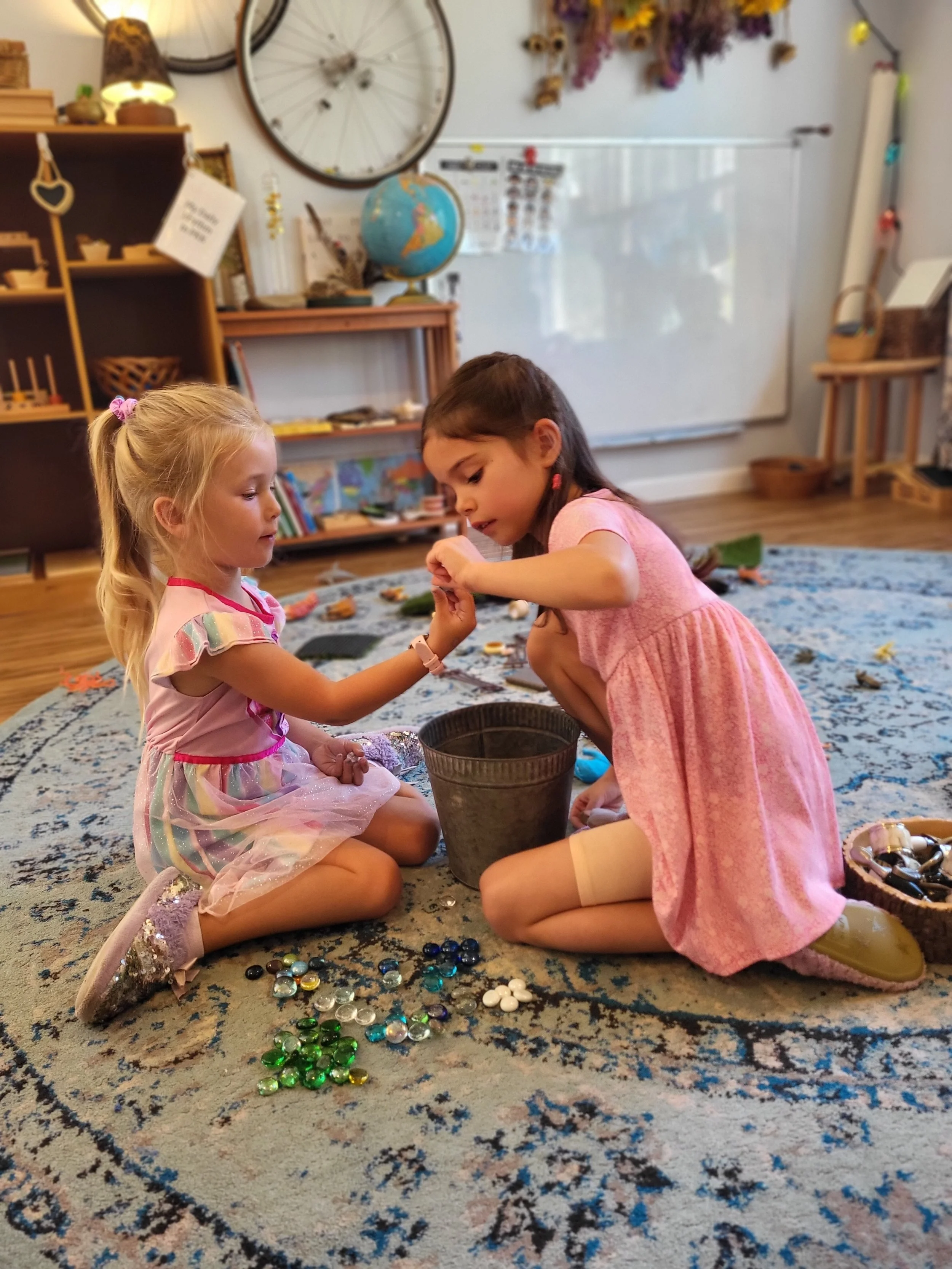
Interactive, social play with conversation, sharing, and idea exchange, but separate goals.
Cooperative Play
4 to 4½+ Years
Play organized around shared ideas and goals. Requires communication, flexibility, perspective-taking, problem-solving, negotiation, and compromise.
These age ranges are loose frameworks only—there are wide variations from child to child, and children typically engage in and benefit from various types of play for years beyond the age ranges above. Yet the stage(s) your child engage in offer clues to where he or she might be on the friendship journey, and more context to what they’re saying about friends at school.
WHAT YOUR CHILD REALLY MEANS
In the context of all this, let’s revisit some of those statements that made hearts flutter in the wrong direction, and consider the likely meaning behind your child’s words…
“I Didn’t Play With Anyone Today.”
Viewed through the lens of Mildred Parten’s stages of play, this statement may simply mean that your child engaged in one of the more independent stages of play—most likely by choice. If not by choice, he or she may not yet be ready for the more interactive associative or cooperative play stages—or, may simply not have chosen to engage in those forms of play that day. It is not a sign of isolation, not fitting in, or loneliness; instead, it’s almost certainly just part of his or her natural, individual socialization path.
“I Don’t Have Any Friends.”
We can assure you, your child has friends at school! But understanding what that means, what friendship looks and feels like, and the natural ebb and flow of children wanting to play together or alone takes time for little ones to truly grasp. We have heard children who are very social during the school day claim not to have friends, when that perception couldn’t be further from the truth. And here again, it’s also possible that a child may have chosen not to engage in the more socially interactive play stages on a given day, or may not quite be ready for them.
"You're Not My Friend!"
Young children don't always have the language or emotional understanding to express their feelings clearly. A young child who says this might actually be saying:
"I don't want to play that game right now.”
“I want to play with someone else.”
“I’m upset you didn’t agree with my idea.”
“I need some space."
“I don’t know how to solve this problem.”
“She Said She Didn’t Want to Play With Me.”
When children say they don’t want to play with someone, it’s not a rejection—instead, it’s more likely a reflection of the play they are already involved in or the concentration they don’t want to break. Still, a child has the right to say, "I want to play alone right now."
NAVIGATING BOUNDARIES
Learning to understand that peers may not want to drop what they’re doing, to respect their basic boundaries if they say “no,” and to traverse these disappointments are all important parts of early social development and learning how to build relationships. Waiting for a turn, accepting a different idea, or discovering that a favorite friend wants to play with someone else requires developing emotional regulation and flexibility. Through these experiences, children are learning that they—and others—have their own ideas, preferences, and boundaries...and that’s ok.
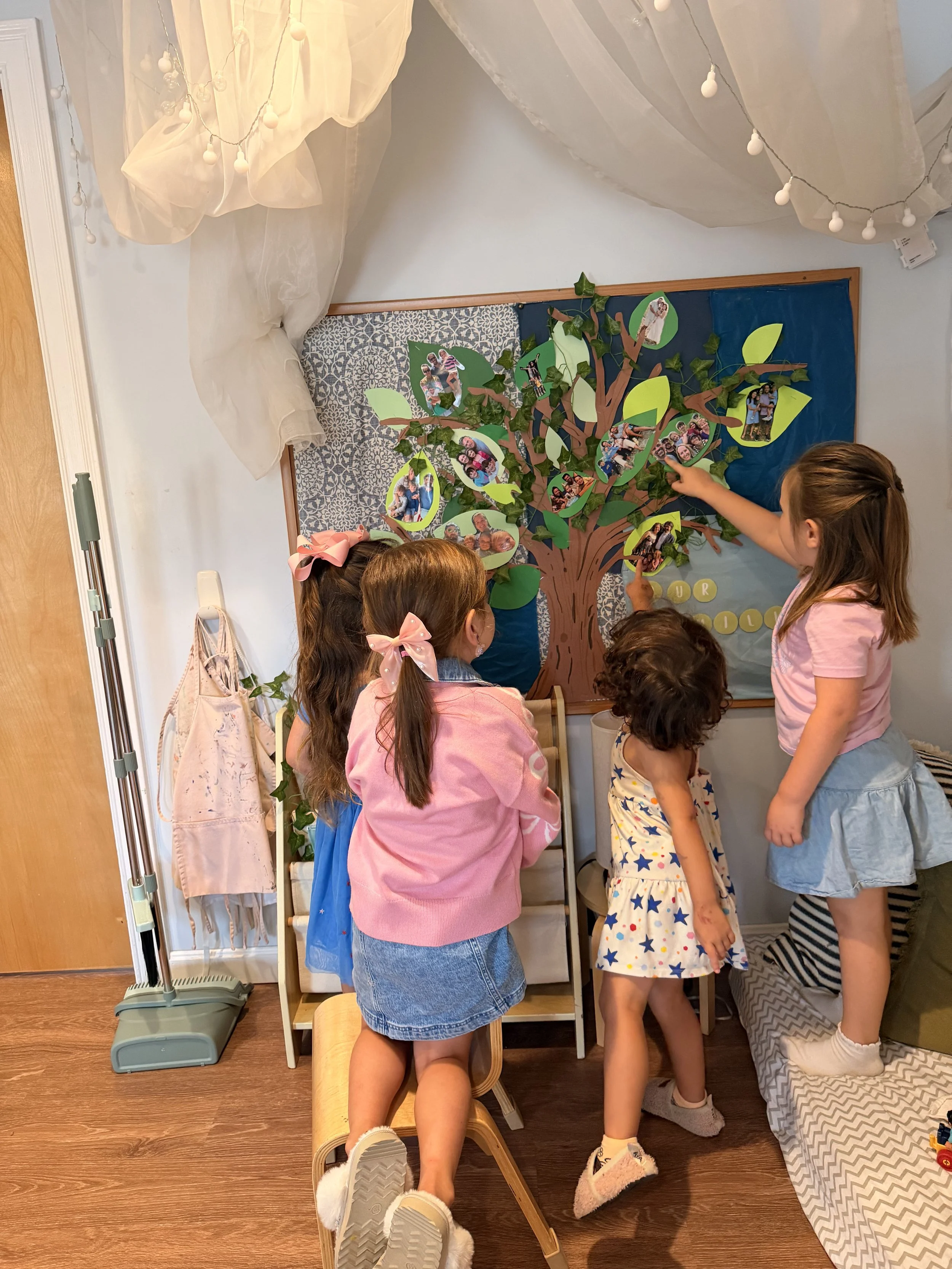
ADULT INTERVENTION: GUIDING WITHOUT TAKING OVER
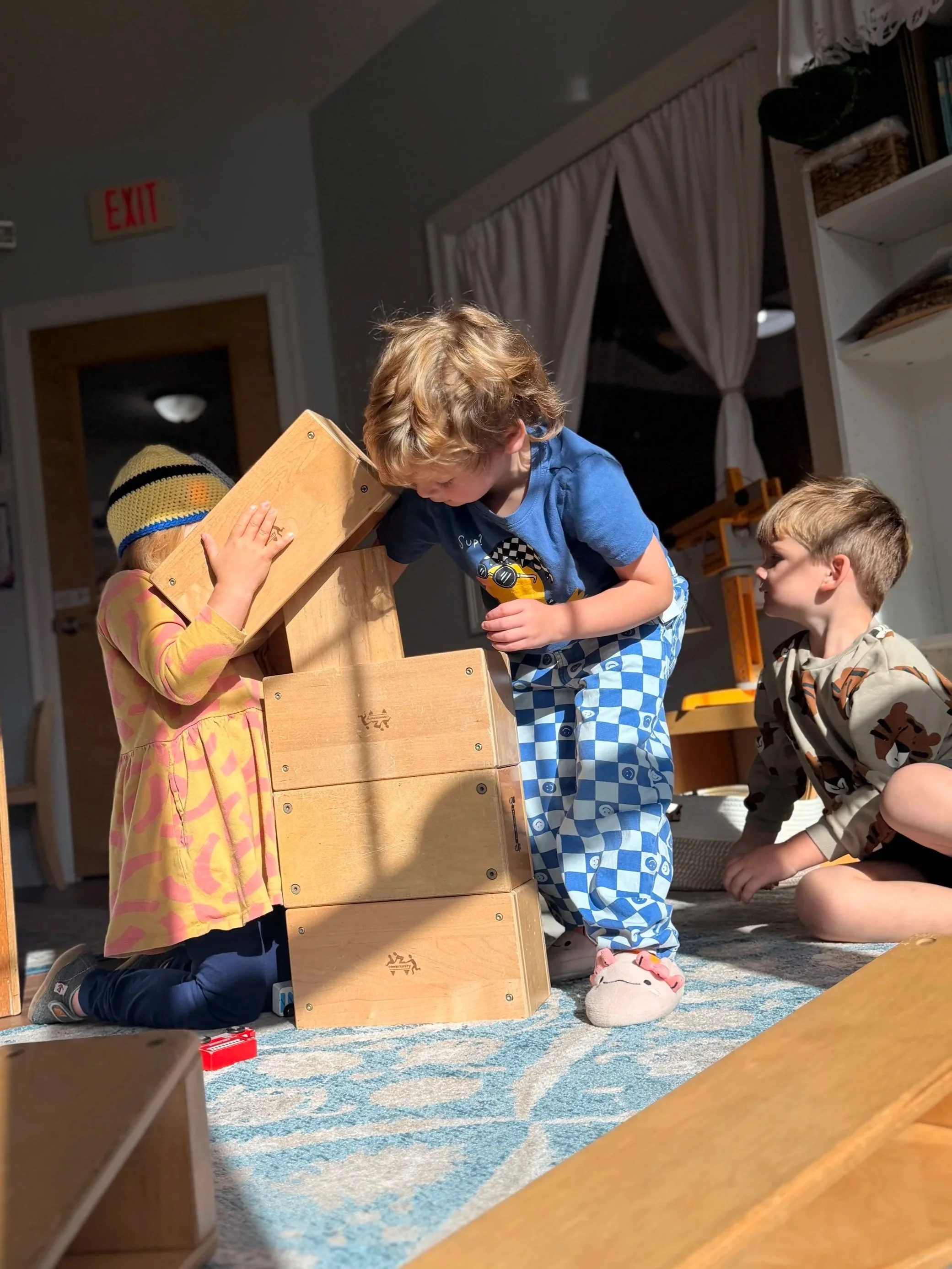
Though it can be tempting to step in and resolve every social issue that bubbles up, we know that children learn the most through the process of working things out themselves. Yet we don’t expect young children to navigate every social situation independently. Instead, our goal is to help them gradually build skills and confidence to participate in developing relationships with kindness and respect.
At the same time, we recognize the critical importance of children cultivating varied peer connections. Opportunities to play with different children expand social confidence, flexibility, and a larger sense of belonging within the classroom community.
To support all this, Harmony teachers carefully observe children's interactions, offering language and guidance as needed while simultaneously allowing children the space to arrive at their own solutions. For example, we might invite children to consider another perspective, suggest word choices to express a feeling, or propose brainstorming a solution together. Our role as adults is not to eliminate every disappointment, insist everyone must play together, or immediately repair a struggling friendship, but to support children as they learn to manage these experiences by helping them identify what they are feeling and find respectful ways to communicate.
Sample language we might use as situations arise:
"It sounds like you want some time to play on your own. You can say, 'I want to play by myself right now.'"
"You really wanted to play with her, and you're disappointed. Let's think about what you might like to do next."
"When she's finished, you'll have a turn. What else could you explore while you wait?"
These moments provide meaningful opportunities to develop emotional awareness, empathy, and communication skills.
FRIENDSHIP IS A JOURNEY
Ultimately, preschool friendships require children to navigate situations with someone actively developing the same skills they are—resulting in lots of moments when no one knows exactly what to say, how to compromise, or whose idea should come first. Both sides genuinely want to connect with each other, but are still discovering how to initiate play, exchange information, and resolve conflict.
As children play, connect, disagree, reconnect, and cultivate new friendships, they are learning who hey are in relation to others, how to advocate for themselves, how to care for others’ feelings, and how to find their place within their community. These lessons will stay with them long after they cross Harmony’s rainbow bridge.
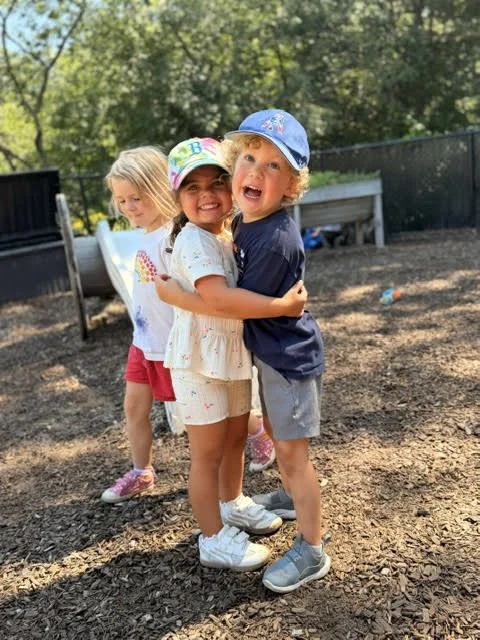
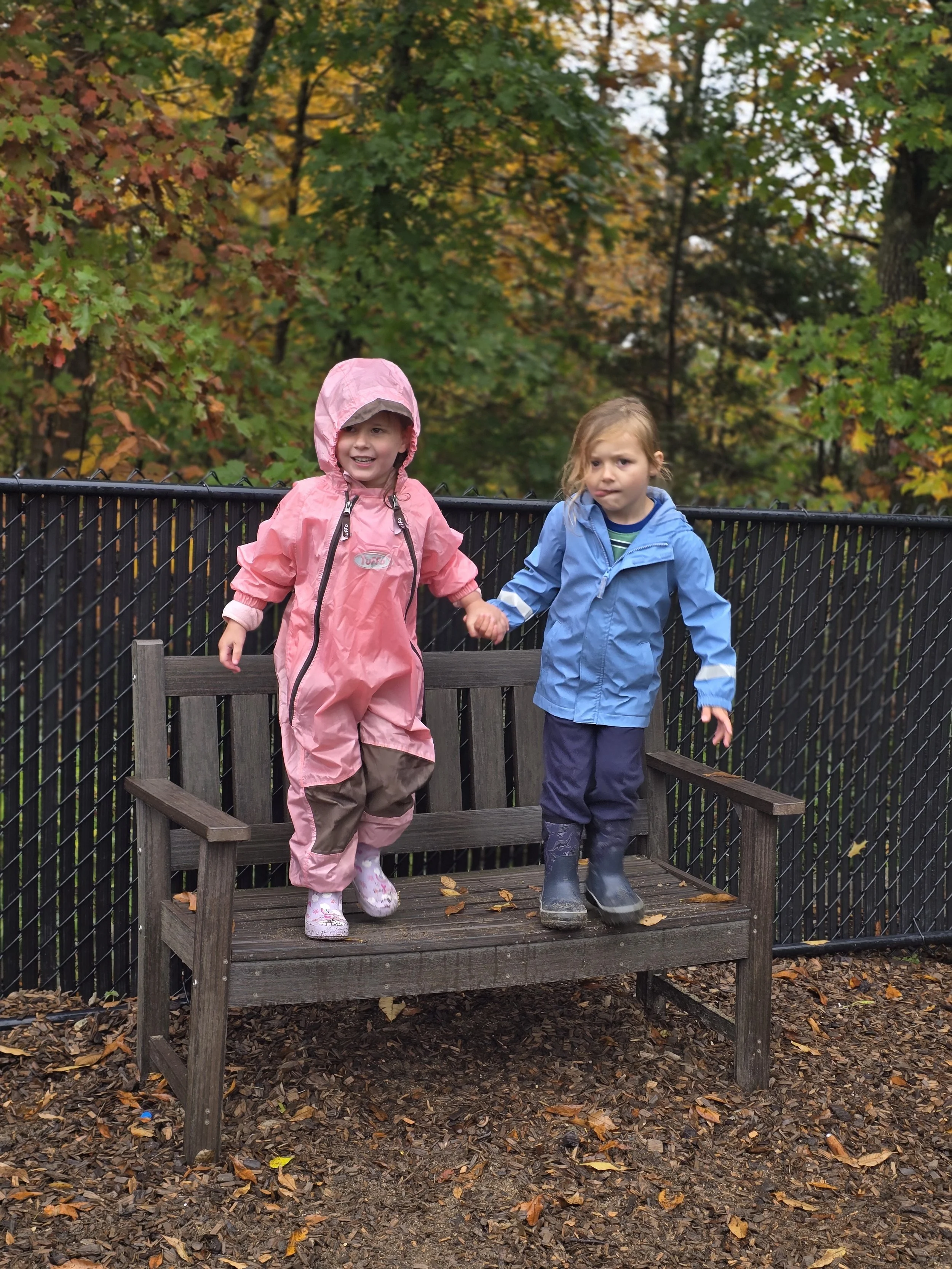
When we give children the space to build friendships over time through trust, shared experiences, mutual enjoyment, and social skill building, they acquire abilities to last a lifetime.
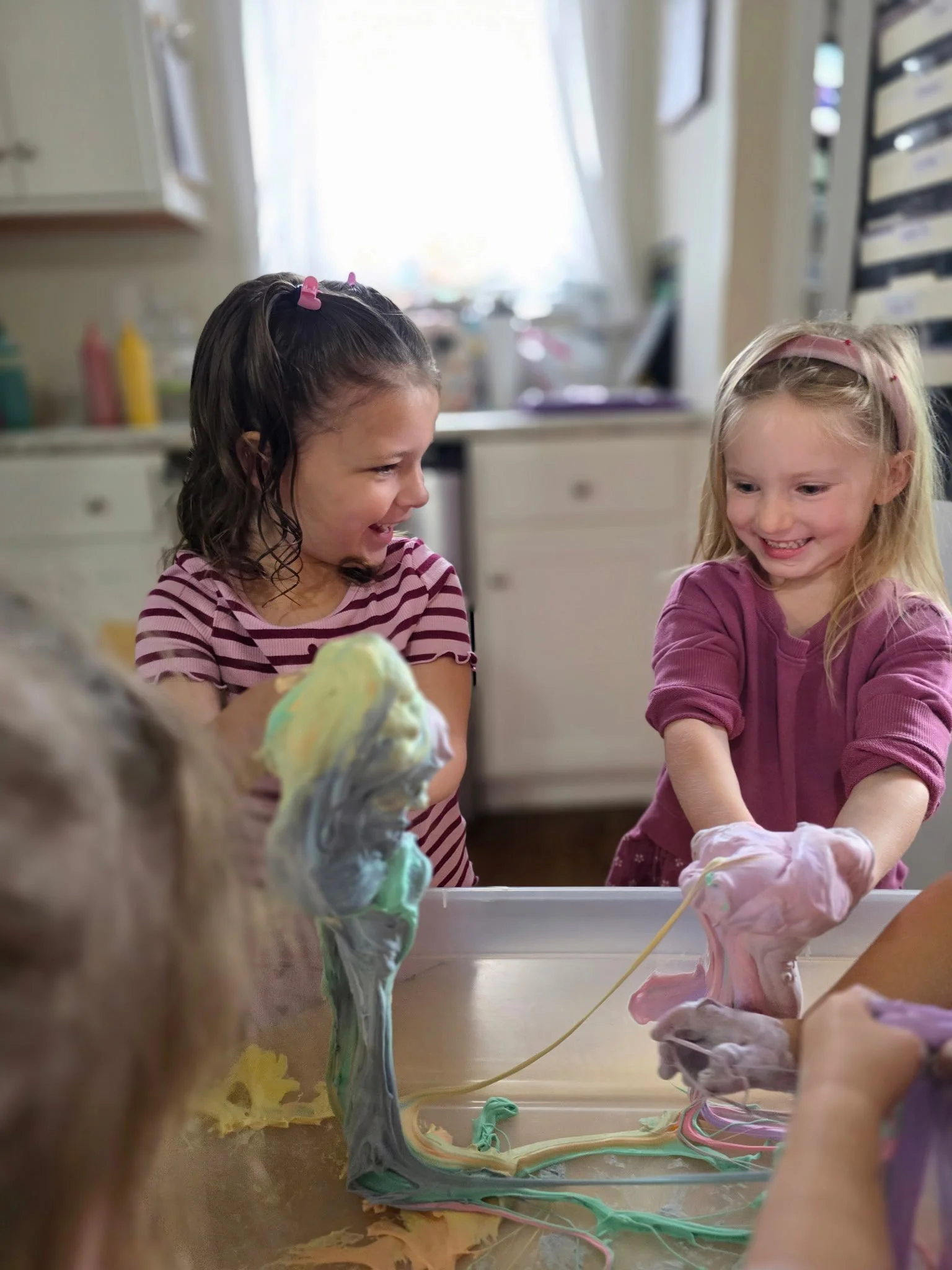
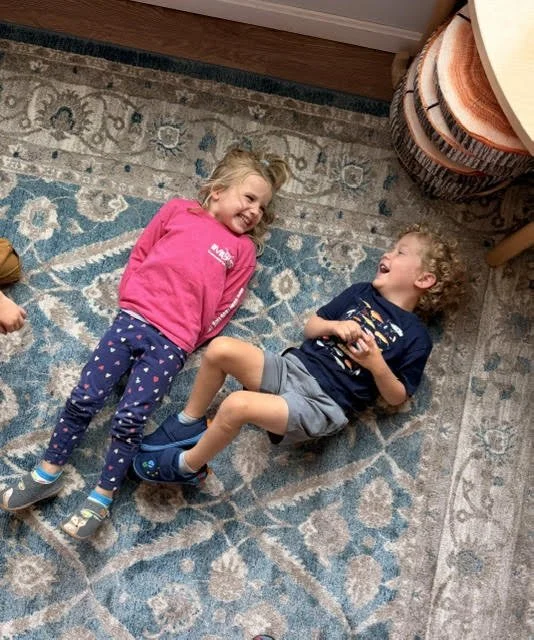
We’d love to see any Harmony-inspired moments you capture along your child’s early years journey. Tag us (@HarmonyNLC) on Facebook and Instagram, and use hashtags #HarmonyNaturalLearningCenter #TheHarmonyApproach #HarmonyNLC
______________________________
Interested in introducing more of The Harmony Approach to your preschooler at home? Check out Harmony at Home today (FREE activities available).